There is a particular kind of cupboard chaos that begins with a half-open bag of flour and ends with pasta, rice and a lonely stock cube sharing the same shelf. The fix is usually the same: decant the dry goods into containers that genuinely seal. The question is whether those containers should be glass or plastic.
Both work. Neither wins outright. What matters is which one suits the staple, the shelf and the way you actually cook, so it is worth comparing them on the things that decide whether food stays fresh: airtightness, cost, durability, cleaning and pest prevention.
What "airtight" really means
A container is only as airtight as its seal, and plenty of tubs sold as airtight are nothing of the kind. A plastic box with a snap-on lid and no gasket will stop a spill, but air — and the moisture and smells carried in it — still moves in and out.
If the lid flexes when you press the base, air is getting in.
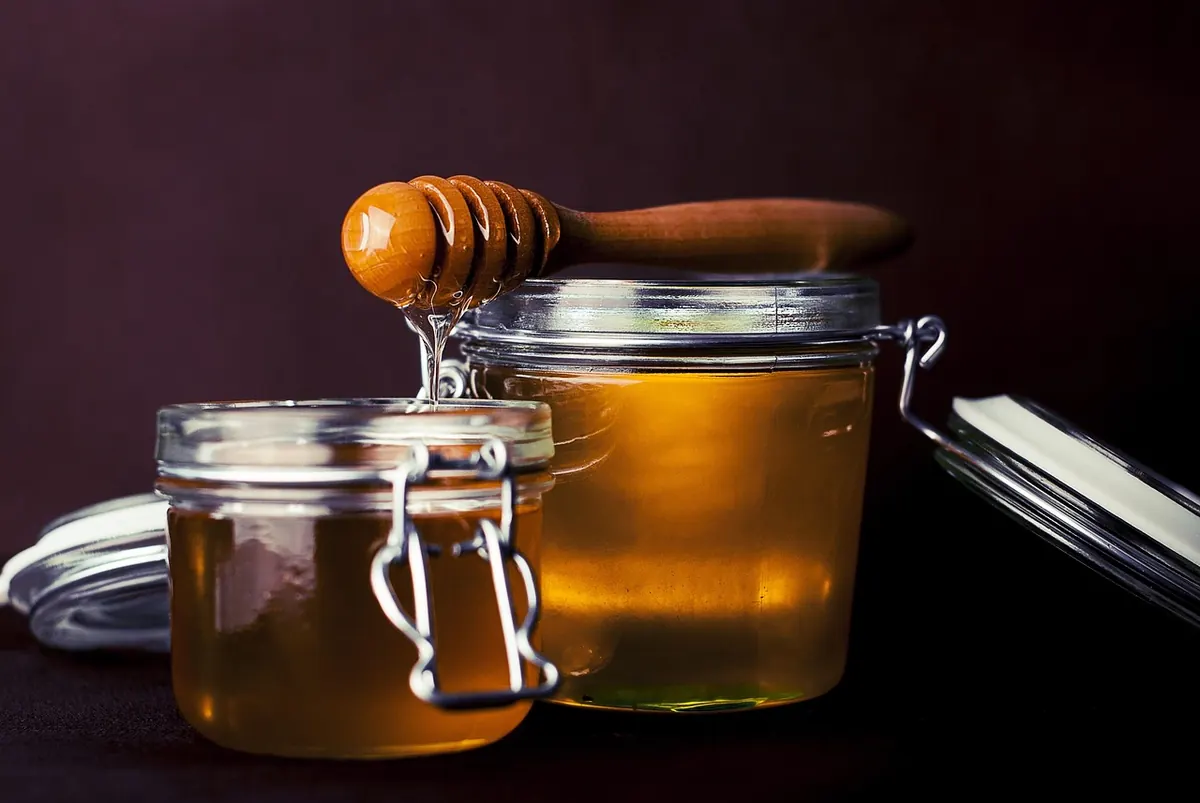
Try that test before you buy. Then look at the seal itself. The ones that hold up best are clip-top glass jars with a rubber gasket, screw-top glass jars with a rubber-lined lid, and rigid plastic tubs with a silicone gasket and latches on all four sides.
The gasket is the part that fails
Rubber and silicone seals dry out, crack and collect flour dust. On good jars, replacements are cheap and easy to find, which is one reason clip-top jars last for decades. On cheap plastic tubs, the gasket is often moulded into the lid, so when it goes, the whole container goes with it.
Cost: what you pay up front, and later
Glass costs more per container. There is no way around that, though buying in ones and twos, or reusing jars from jam, pickles and sauce, keeps the outlay down. Just be realistic about those reused jars: their lids were designed to seal once at the factory, not for years of refilling. They are fine for spices, lentils or pasta you will use within a few weeks, less so for a large bag of flour you plan to keep for months.
Plastic sets are cheaper and usually sold in packs, which makes them tempting when you are organising a whole cupboard in one go. The catch is that the lids tend to fail first, and mismatched lids rarely fit anything else, so you end up replacing the set rather than the part. Glass, handled carefully, is a buy-once purchase. Plastic is a running cost.
Durability and everyday handling
Glass is heavy, and it breaks. A chip on the rim is more than cosmetic — it lets air past the seal, and it can cut a hand during washing. Keep glass on lower and middle shelves rather than the top, and never pour boiling liquid into an ordinary storage jar; thermal shock can crack it. Storage glass is not ovenware.
Plastic is light, stacks neatly and is far safer at child height. It also cracks at the latch, crazes with age and can turn brittle in a cold garage. If you have small children, low shelves or a lot of containers to move around, plastic earns its place.
Cleaning, odours and staining
This is where glass wins comfortably. It takes hot water, goes anywhere in the dishwasher and does not hold on to the smell of last month's curry powder. Plastic scratches, and those scratches trap oils from nuts and seeds. It also absorbs colours and aromas from tomato, coffee and strong spices.
If you use plastic, a small routine makes a difference:
- Rinse it as soon as it is empty, before residues dry into the scratches.
- Soak in hot water with a spoonful of bicarbonate of soda to lift smells.
- Use a soft brush rather than a scouring pad, and keep it off the bottom rack of the dishwasher.
- Dry it completely, upside down, before refilling — trapped moisture is what makes flour clump and oats go musty.
Pest prevention: where the two materials differ
Cupboard moths, weevils and flour beetles will chew through paper bags, cardboard boxes and thin plastic film. Neither glass nor thick rigid plastic can be chewed through, so on that front they are level. The difference is in the details: glass jars with a proper gasket leave the fewest gaps, and the contents are visible, so an infestation is spotted early rather than discovered at the bottom of a bag.
In both cases, the weak point is the rim. Flour dust caught in the threads or under the lid is a meal in itself, so wipe the rim before closing and don't top up a jar indefinitely — empty it, wipe it, then refill. Many cooks also freeze new bags of flour for a couple of days before decanting, on the basis that any eggs or larvae present will not survive; it costs nothing and does no harm to the flour.
One caution: airtight is wrong for onions, potatoes, garlic and bread. They need airflow, so keep them in an open basket instead.
Matching the container to the staple
- Flour, sugar, rice, pasta, porridge oats: wide-mouth rigid containers. Check the volume before buying — a 1kg bag of flour needs roughly two litres of space, plus room for a scoop.
- Spices: small glass jars with screw lids. Glass will not carry the scent of the last spice you kept in it.
- Nuts, seeds and coffee: glass, stored in a dark cupboard. Clear jars let in light, which is unkind to coffee and tea.
- Cereal, biscuits, crisps: plastic is fine. The contents are short-lived and you will want the lighter weight.
- Onions, potatoes, garlic, bread: baskets, no lid.
A simple approach that works
Most well-organised pantries end up mixing the two. Use glass for anything you keep for months, anything oily or strongly scented, and anything you want to see at a glance. Use plastic where weight, safety and price matter more than a long-term seal.
Buy a few containers at a time and measure your shelf height first — tall jars that don't fit under a shelf are the most common wasted purchase in a pantry. Keep one container per staple, label it with the date you filled it, and tape the cut-out cooking instructions from the packet inside the cupboard door. Once a month, check the gaskets, wipe the rims and use up the oldest bag before opening a new one.
Photo: fancycrave1 / Pixabay